
INTERNATIONAL EXPANSION TO THE U.S.
Windmill Operations helps brands outside North America build a reliable U.S. logistics setup through warehousing, fulfillment, freight coordination, import support, and flexible operational solutions.
Contact us -->

Europe
Full import support for EU brands entering the U.S. market through Miami or California.
Latin America
Full import support for EU brands entering the U.S. market through Miami or California.
Asia
West Coast entry through California, optimized for Asia-Pacific freight routes and DTC growth.
Everywhere else
Wherever your brand is based, our team can build the right operational setup for your U.S. entry.
THE CHALLENGE
For foreign brands, launching in the U.S. means more than opening a new market. It means setting up the right logistics structure from day one.
Freight, imports, warehousing, fulfillment, inventory positioning, returns, and day-to-day coordination all need to work together. Without the right setup, operations become harder to manage, more expensive to run, and more difficult to adapt over time.
Freight and import coordination
International shipping, customs clearance, and import documentation all need to be aligned before goods can move.
Warehousing in the right locations
Where you store inventory in the U.S. determines your reach, cost, and speed to customer.
DTC and B2B fulfillment from day one
U.S. customers expect fast, reliable delivery. The operational setup needs to be right from the start.
Managing from abroad
Timezone gaps, language differences, and distance make day-to-day coordination harder without the right partner.





U.S. WAREHOUSING & NATIONWIDE REACH
The infrastructure to support nationwide operations
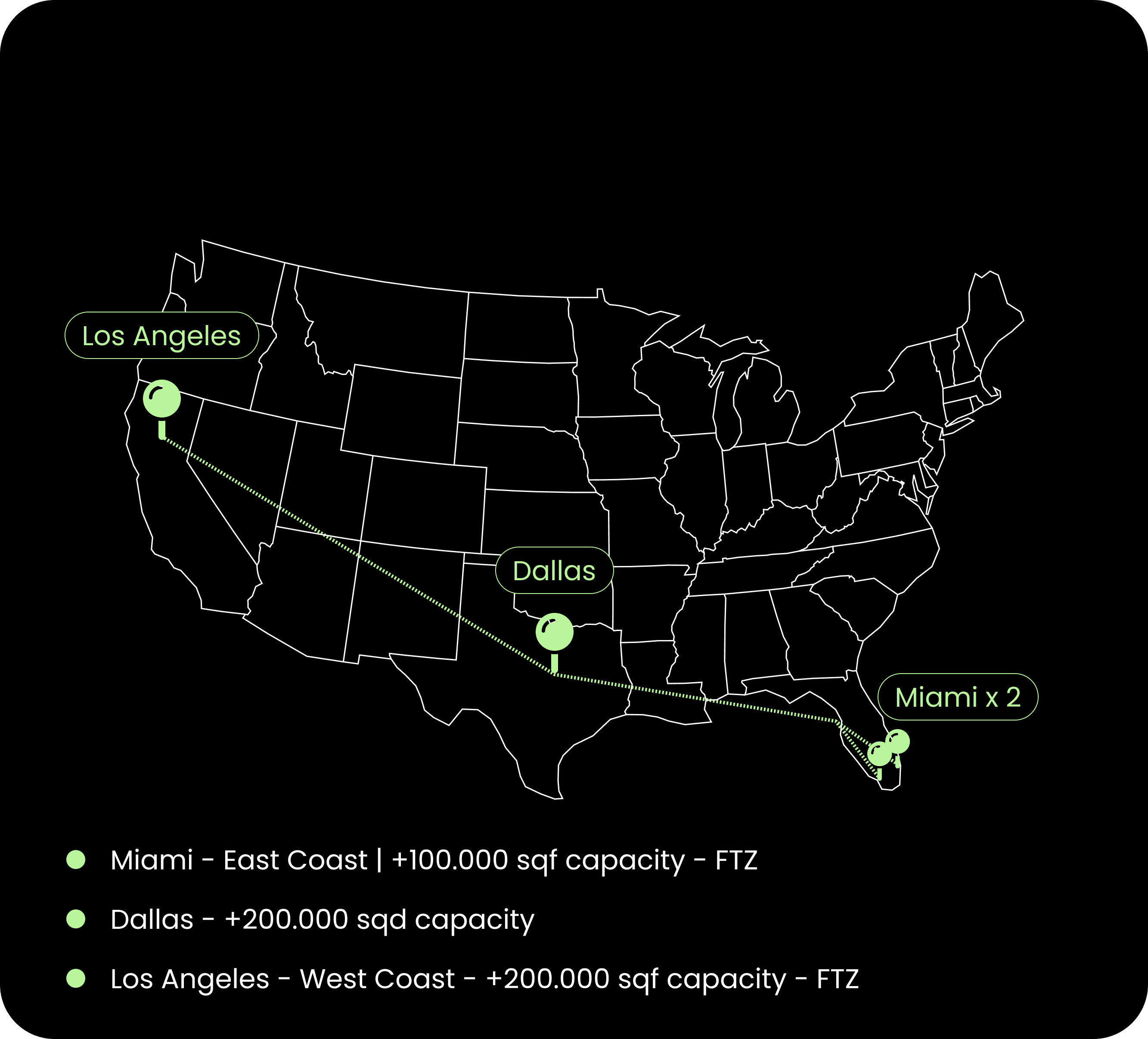
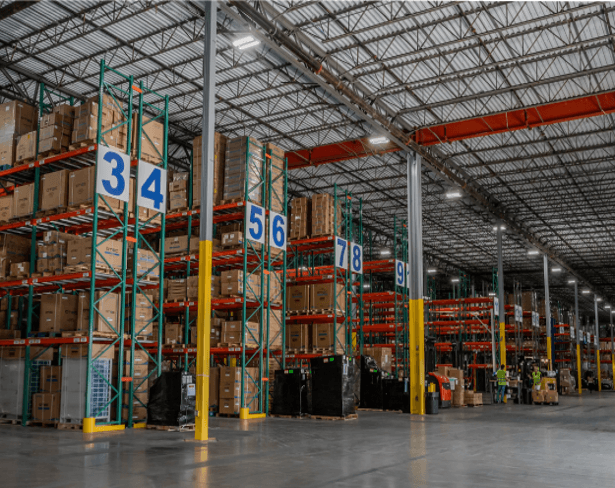
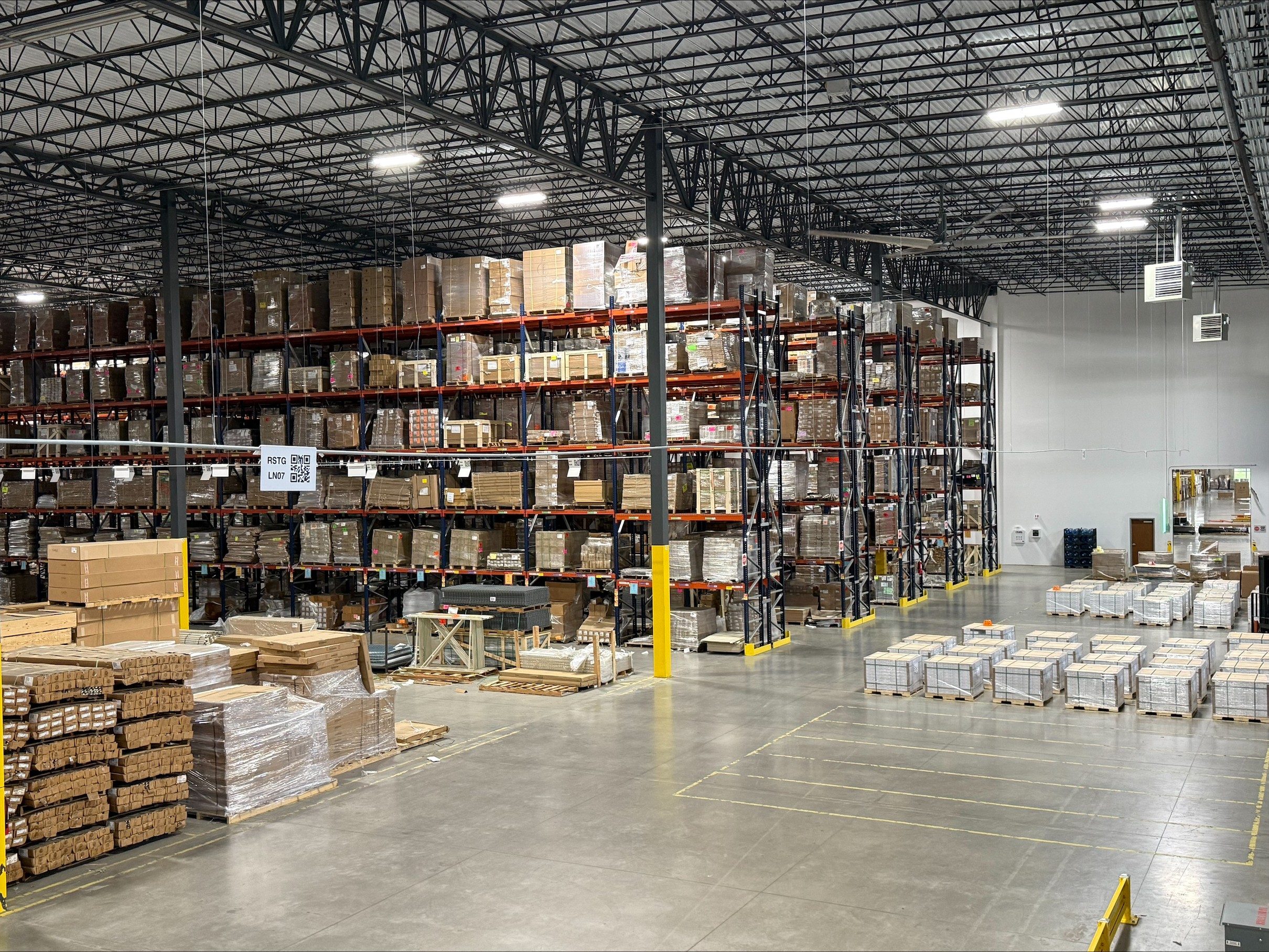
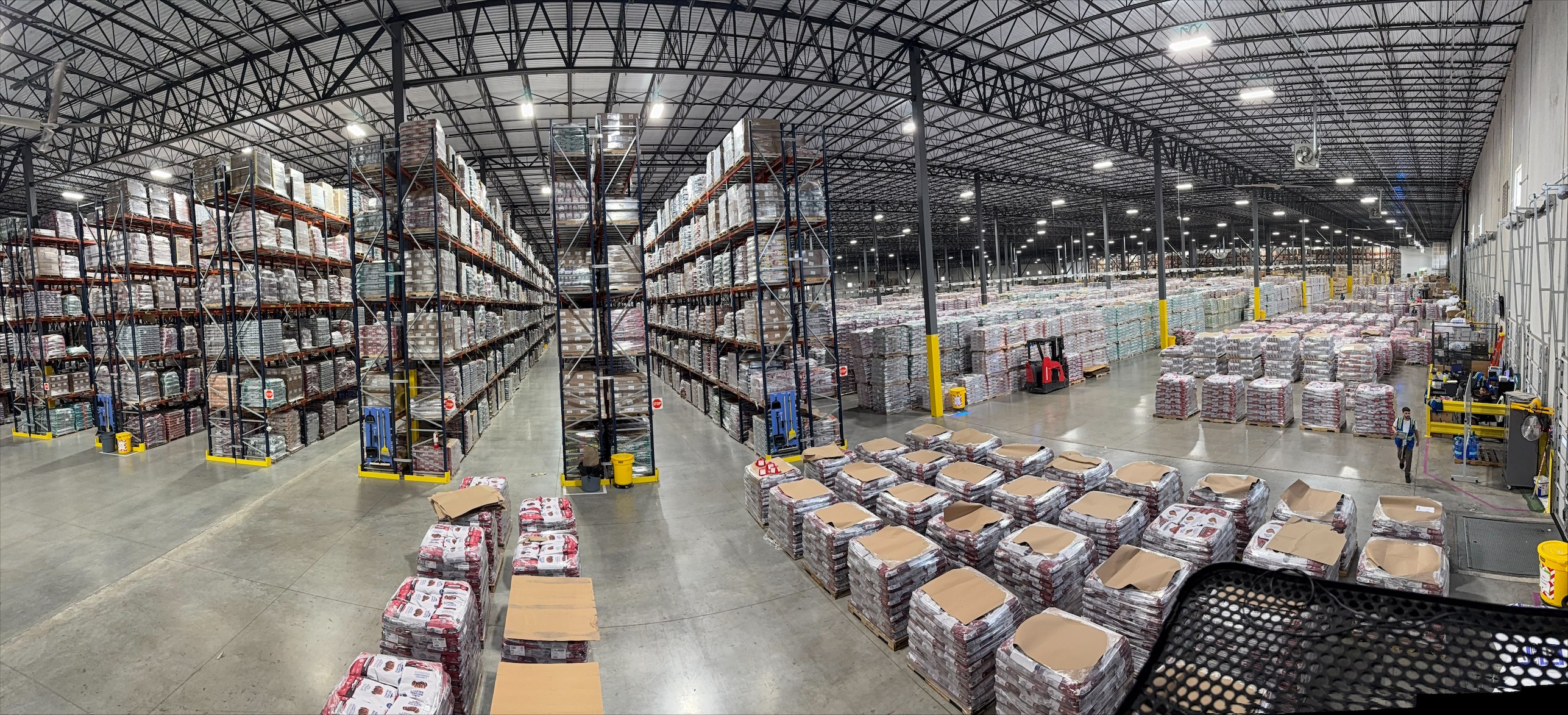
Windmill operates through a connected warehouse network in key U.S. locations, all managed through the same WMS.
Our footprint includes two sites in Miami, one site in California, and more than 200,000 square feet of available space in Dallas. This gives brands stronger inventory positioning, broader U.S. coverage, and more flexibility as operational needs evolve.
California and Miami support a bi-coastal strategy, while Dallas adds central capacity and long-term operational scale.
Los Angeles
WEST COAST COVERAGE
FTZ: WHAT IT MEANS AND WHY IT MATTERS
FTZ capabilities that can improve flexibility and cash flow
For brands importing inventory into the U.S., FTZ capabilities can play an important operational role.
Under Foreign-Trade Zone procedures, imported goods can generally be stored and handled before they formally enter U.S. commerce. In practice, that can help businesses manage the timing of certain duty and tax payments more efficiently, which may improve cash flow and create more flexibility around how imported inventory is released into the market.
For foreign brands building their U.S. operation, that can be a valuable advantage from both an operational and financial perspective.
Goods enter FTZ storage
Imported inventory is stored and handled in the FTZ before formally entering U.S. commerce. No duty payment required at this stage.
Inventory is managed flexibly
Goods can be inspected, relabeled, repacked, or prepared for distribution — all within the zone, without triggering duty obligations.
Duties paid on release
Duties and taxes are paid only when inventory formally enters U.S. commerce — giving brands more control over timing and cash flow.
ACCOUNT MANAGEMENT
A direct operational partner in the U.S.
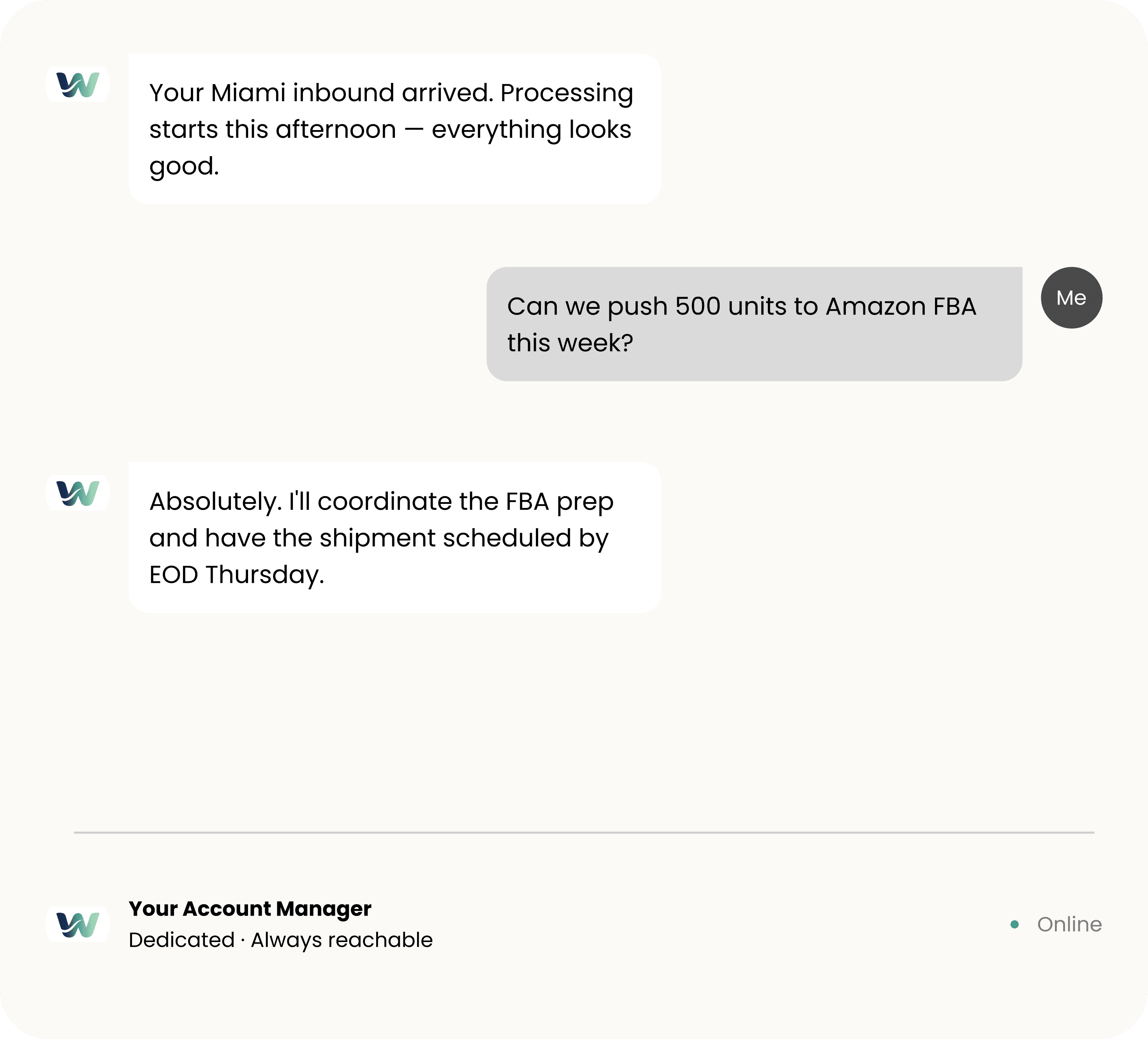
Every client works with a dedicated account manager who stays close to the operation and helps coordinate day-to-day needs.
For brands managing the U.S. market from abroad, that means clearer communication, faster follow-up, and direct support from a team that understands the practical side of operating in a different territory.
Clearer communication
One dedicated contact — no timezone-confused support queues or email threads that go nowhere.
Faster follow-up
Issues get handled quickly — someone who knows your setup and acts before problems escalate.
U.S. market expertise
A team that understands the practical side of operating in a different territory — from imports to fulfillment.
Integrations
Connected through the right technology
Windmill’s entire operational structure runs on the same tech stack, connected to a growing ecosystem of ecommerce platforms, marketplaces, carriers, returns solutions, and operational tools.
That means stronger visibility, smoother coordination, and a more connected logistics operation as your business grows.





Seamless automation
Real time sync
Secure & scalable
Plug & play setup
B2B integration
By integrating with SPS Commerce, clients can sync more easily with multiple retailers and simplify their B2B operations. Automated EDI processes help centralize order management, streamline fulfillment and improve efficiency across trading partners.
All our Integrations





Trusted Brands
Brands choose Windmill Operations for operational flexibility, reliable support, and a logistics setup designed to scale with them.





Whether you are scaling an existing operation, entering the U.S. market, or looking for a more flexible logistics solution, Windmill helps you build the right operational setup for your next stage of growth.

FAQs
Do you support both DTC and B2B fulfillment?
Yes. We handle both direct-to-consumer (DTC) and B2B fulfillment from the same facilities. On the DTC side we manage single-unit picks, same-day shipping for e-commerce orders, and carrier integration. On the B2B side we handle case and pallet-level picking, pallet building, retail compliance, and wholesale shipping. Both channels can run simultaneously from the same inventory pool.
Can Windmill help international brands expand into the U.S.?
Absolutely. We work with international brands entering the U.S. market and understand the complexities involved — from import compliance and DDP inbound shipments to carrier setup and platform integration. You do not need a U.S. entity to get started. We handle the operational layer so you can focus on selling.
Do you support Amazon FBA operations?
Yes. We support FBA prep including labeling, polybagging, and carton compliance. We can manage your FBA inbound shipments directly from our facilities, ensuring your inventory arrives at Amazon fulfillment centers ready to receive without delays or compliance issues.
Do you offer freight and import support?
We coordinate inbound freight and work with your customs broker or freight forwarder to ensure smooth DDP delivery into our facilities. All goods must arrive duty-paid and cleared — we do not act as importer of record, but we can connect you with trusted partners who do.
Do I get a dedicated account manager?
Yes. Every client is assigned a dedicated Account Representative who serves as your single point of contact for day-to-day operations — from inbound coordination and inventory queries to order status and escalations. You will always know who to call.
How quickly can I get started?
Onboarding typically takes two to four weeks depending on your integration requirements, inventory readiness, and inbound lead time. Once your account is set up and your first shipment is received, we can begin fulfilling orders immediately. For clients with urgent needs we work to compress that timeline wherever possible.
Which platforms and systems do you integrate with?
We integrate with the major e-commerce and order management platforms including Shopify, Amazon, eBay, and WooCommerce. On the WMS side we operate on ShipHero. EDI integration is available for B2B and retail clients. If you use a system not listed, speak to our team — we work through API connections and custom integrations on a case-by-case basis.
Can Windmill support seasonal peaks and growth?
Yes. Our network is built to flex with your volume. We plan proactively for peak periods and ask clients to share volume forecasts in advance so we can allocate capacity accordingly. Our multi-site network across California, Miami, and Dallas allows us to distribute inventory strategically and absorb demand spikes without compromising service levels.
Where are your warehouses located?
We operate across three strategic hubs — California, Miami, and Dallas — giving you nationwide coverage and optimized last-mile delivery times to the majority of the U.S. population. Multi-node distribution is available for brands that want to split inventory and reduce shipping zones.
What is an FTZ and how can it help my brand?
A Foreign Trade Zone is a designated area within the U.S. where goods can be received, stored, and processed before formal customs entry. Brands importing into an FTZ can defer or in some cases reduce duty payments, re-export without paying U.S. duties, and improve cash flow on high-volume or high-value inventory. If this is relevant to your operation, speak to our team and we can advise on whether your profile qualifies and which of our locations can support it.